All Categories
Featured
How to Scale Small Business Within the USA
Table of Contents
When you're building a service, it's easy to compare yourself to already developed companies. These business owners started little and constructed extensively recognized brand names through determination, innovative analytical, and a clear understanding of what their consumers needed. Before Canva became a global style platform, Melanie Perkins was teaching trainees how to utilize graphic style software.
Perkins invested years pitching investors and was rejected lots of times before protecting financing. She released Canva in 2013, focusing on simpleness and ease of use. Today, it is among the most extensively used graphic design tools. Brian Chesky and his co-founders began Airbnb by renting blow-up mattress in their apartment or condo to assist pay rent.
To fund the business early on, they offered novelty cereal boxes throughout the 2008 election. Airbnb ultimately grew into a worldwide marketplace linking travelers with hosts in millions of cities. Jan Koum immigrated to the United States from Ukraine and resided on food stamps as a teen. He taught himself computer programming and later on operated at Yahoo.
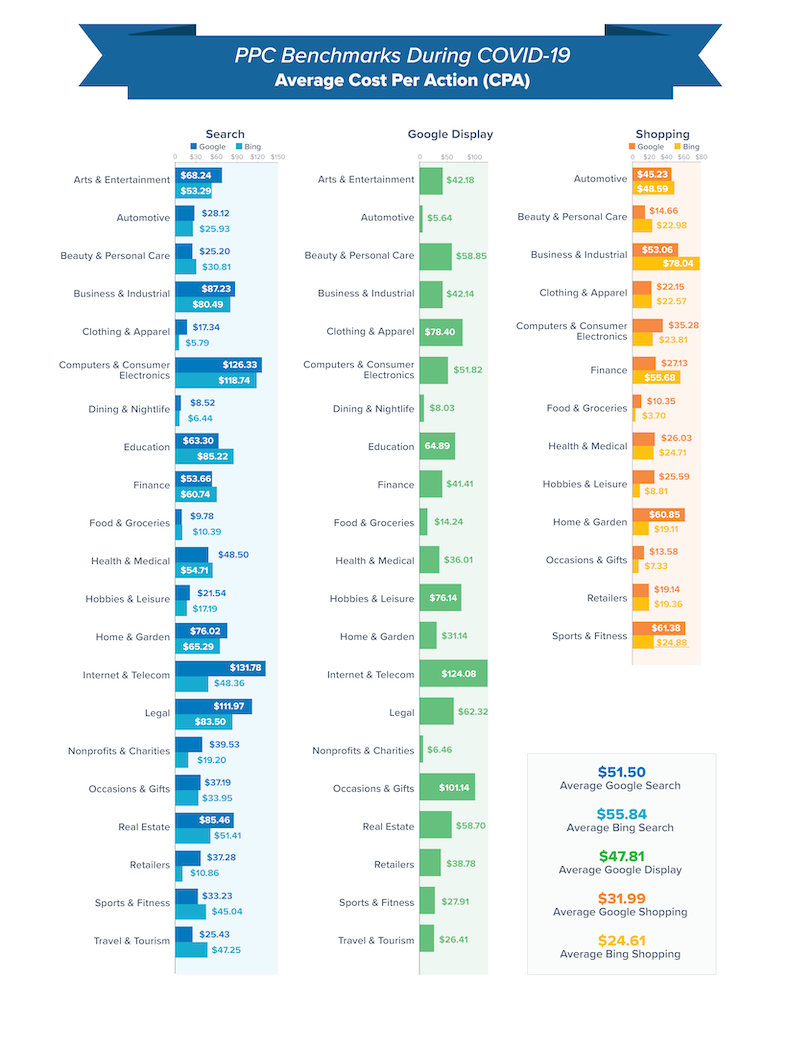
[target2:anchor_exact1]Implementing Sector-Specific Solutions for Maximum Performance
The app grew quickly through word of mouth, and in 2014, Facebook obtained WhatsApp for $19 billion. Brian Chesky and his co-founders began Airbnb by renting blow-up mattress in their house to help pay rent. Hamdi Ulukaya began Chobani after buying a closed yogurt factory in New york city using a U.S.
Rather than producing a new item classification, he concentrated on enhancing quality and using simple ingredients. Chobani grew progressively and assisted promote Greek yogurt in the U.S. Ulukaya also built the company around employee ownership and community financial investment, revealing that development and social obligation can co-exist. Sara Blakely was selling fax makers door to door when she utilized $5,000 of her cost savings to establish Spanx.
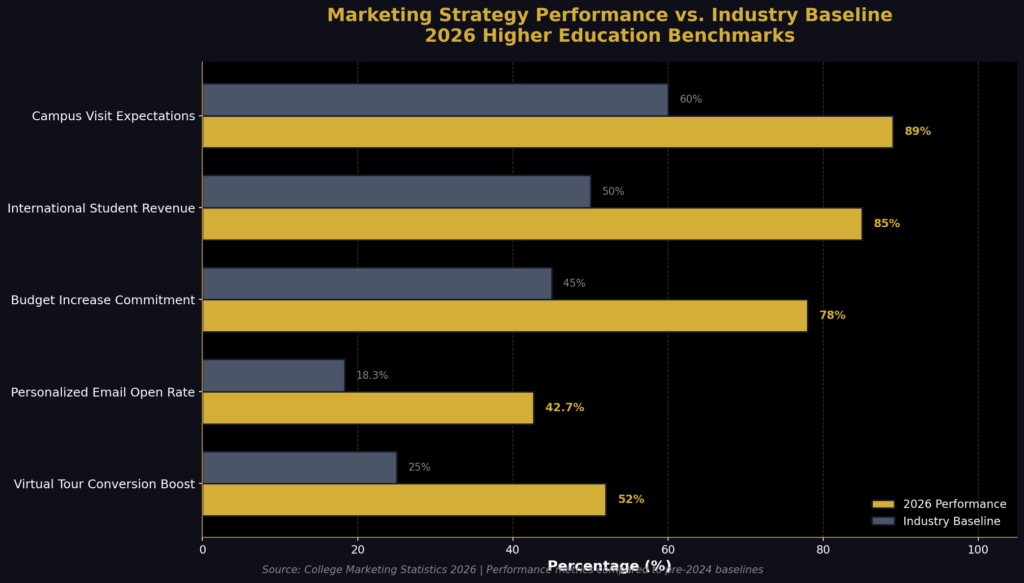
Boosting Marketing ROI Through Performance Data
While their industries and backstories vary, these founders share numerous traits that assisted them prosper. Each one begun by focusing on fixing a specific issue, not necessarily on developing a huge company.
Many also relied on their imagination instead of capital. Early funding originated from cost savings, a side income, or unconventional concepts. Branding and client connection played a major role, particularly for those who grew through word of mouth or social networks rather than paid advertising. These success stories reveal that large amounts of startup capital aren't constantly essential.
Growth came from refining that preliminary offering and reinvesting profits instead of chasing rapid expansion. They also highlight the value of circulation and marketing. A top-selling product is propelled by exposure, whether that's through collaborations or strong personal branding. And early obstacles didn't prevent these business owners from long-term success in lots of cases, those struggles resulted in much better choices down the road.
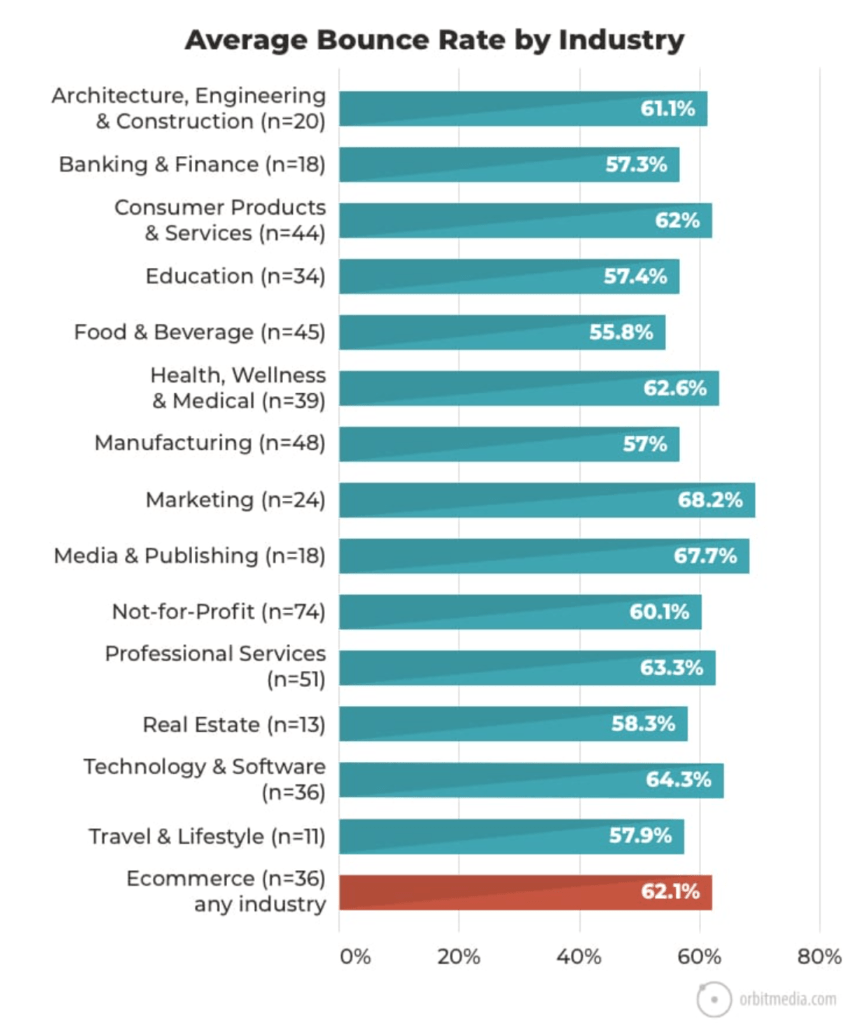
Performance Growth Strategies for Regional Leadership
Aspiring organization owners can take a similar approach by recognizing one specific consumer need and creating a fundamental version of that services or product to test demand. You can likewise start with what you already have, whether that's utilizing your current abilities, offering through existing platforms, or relying on your personal cost savings rather of looking for outdoors funding.
And rather than rushing to scale, developing slowly can help reinforce your operations and consumer relationships. Setting long-term objectives can offer direction, however progress generally originates from consistent, small enhancements. Gradually, those early experiments can establish into systems that support consistent development. Brought to you by It's Walmart, built for your organization Simplify your everyday operations with multiuser accounts, cost management tools & automated replenishment * of the products you utilize every day.
Terms use. Specialist business advice, news, and patterns, delivered weekly to your inbox. Published February 20, 2026.
Thomas Machining reveals how ...
Starting a small business little organization for the faint of heart. These little company success stories will raise your spirits and influence you to keep working through the challenges with the hope that your business will thrive.

Latest Posts

Business Consulting Models for Modern Agencies
Measuring Growth in Key US Commercial Sectors

Strategic Competitive Analysis Strategies