All Categories
Featured
Table of Contents
Marketing has never ever been a static discipline. As we move into 2026, the rate of change is no longer driven by fancy brand-new platforms or viral techniques. Instead, growth is progressively shaped by how well services comprehend their consumers, structure their marketing systems, and link every tactic back to quantifiable business outcomes.
Marketing Trends for 2026: Growth Is Developed on Connected Systems, Not Separated Tactics One of the most crucial modifications heading into 2026 is a move far from disconnected marketing activities. Pushing material out on social media, sending out an occasional email blast, or running ads without a larger photo technique often results in inconsistent results.
A linked system generally consists of: A clear entry point (advertisements, search, referrals, social, events) A method for catching contact info Ongoing education and nurturing A clear conversion course Follow-up and retention touchpoints Rather of asking, "What should we try next?" businesses are asking, "How doesmarketing fit into our total growth engine?" This shift minimizes wasted effort andincreases the return on every marketing activity.
First-partyinformation you gather straight from your customers and prospects ends up being thefoundation of marketing success. This consists of: Email addresses Phone numbers Website habits through analytics and comparable tools Purchase history Query forms Survey reactions Why this matters for broadening your customer base: First-party data allows you to communicate directly with individuals who have actually already revealed interest.
Why Predictive Modeling Redefines Marketing for 2026
Organizations that actively grow and handle their contact lists tend to see: Lower customer acquisition costs Higher retention rates More repeat organization Collecting information is no longer optional. It is infrastructure. And as an owned possession (one you don't have to pay to use, unlike advertising), there is a clear financial incentive to tap this resource.
In 2026, growth-oriented companies are focusing on mapping and linking the entire consumer journey. In 2026, established little services can't afford to think where they are losing prospective consumers. Browse engine optimization stays a significant consumer acquisition channel, but the approach is altering.
Optimizing B2B Marketing Using Proven Performance Reports
Artificial intelligence tools are now typical throughout marketing platforms. The most effective businesses utilize AI to speed up execution, not replace humandecision-making. Common effective usages include: Drafting describes and very first versions of content Getting numerous headline variations Summing up data and reports Repurposing material into various formats What still requires human oversight: Brand name voice Messaging concerns Deal development Customer understanding Truth inspecting AI helps groups using it move quicker, but method stays human-led.
Instead of only trying to attract more visitors, organizations are optimizing: Landing page design Headline clearness Calls to action Form length Page load speed Mobile experience Even small improvements in conversion rate can substantially increase profits without increasing ad invest or content volume. Example: If 1 out of 100 visitors converts, enhancing that to 2 out of 100 doubles results with the exact same traffic and the same advertisement spend.
Consumers are more cautious than ever. Before reaching out or buying, they search for proof. Effective trust signals consist of: Online examines Reviews with specifics Case research studies Photos or videos of work Certifications and affiliations Media discusses These elements decrease perceived risk and shorten the time it takes someone to feel comfortable calling you.
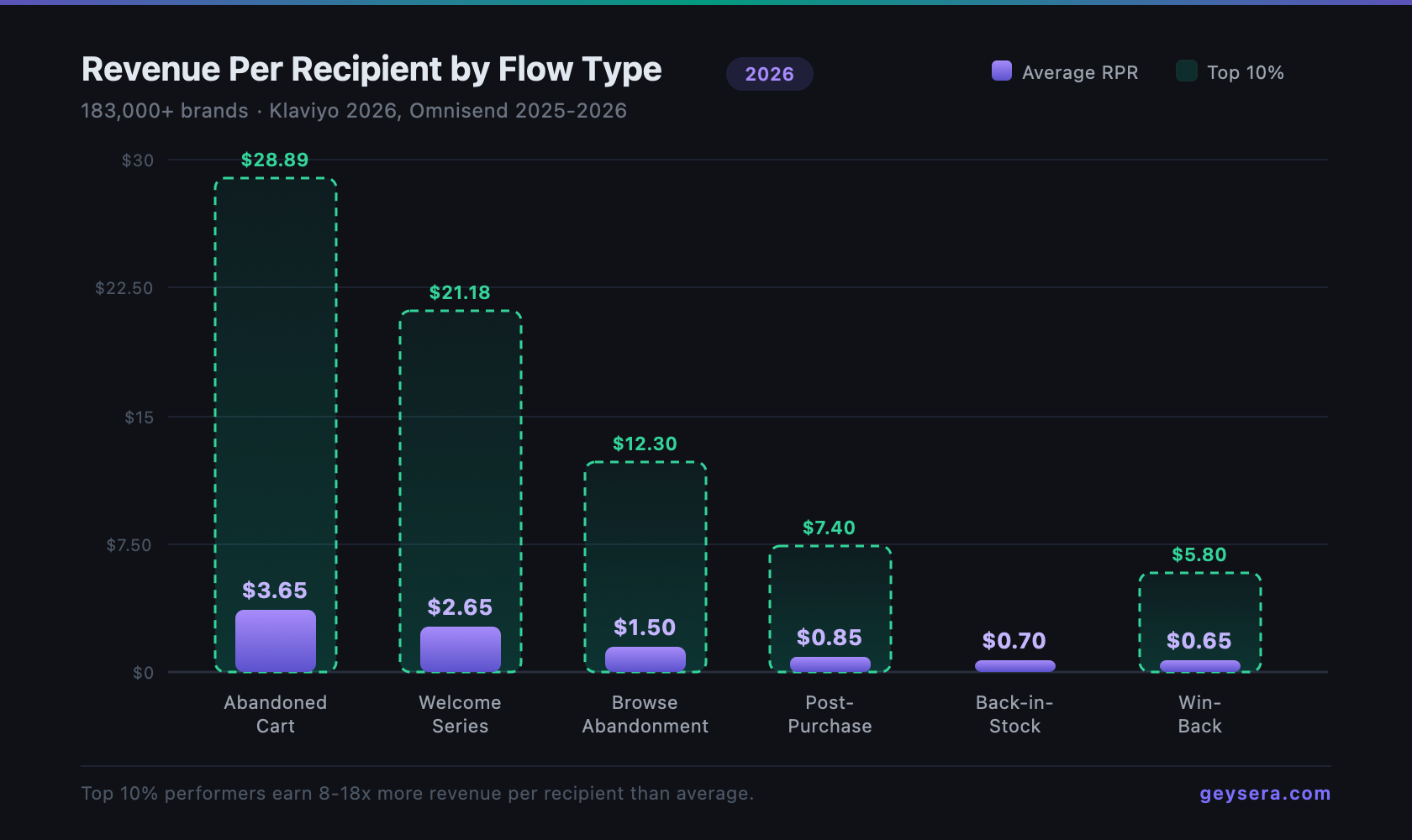
Email is no longer just for newsletters or promos. In 2026, high-performing companies utilize email as: An onboarding channel for new leads An education platform A retention tool A reactivation system Automation plays a major role.
Actionable Advertising Benchmarks Based From Domestic Performance
Effective advertisements in 2026 concentrate on value-first offers, such as: Free assessments Guides Webinars Consultations Samples or trials These offers allow prospects to experience worth before making a bigger commitment. Paid ads become entry points into a relationship instead of instant sales presses. Expanding your customer base does not only mean obtaining brand-new clients.
It's simpler and more cost-efficient to keep a client than win new ones. Marketing in 2026 is no longer determined only by impressions or likes. It is (or need to be) measured by: Leads created Conversion rates Revenue created Return on advertisement invest (ROAS) Client life time worth increases This shift needs closer alignment between marketing and total service goals.

Latest Posts
Actionable Advertising Benchmarks Based On US Data
The Link Between Attribution and Reputation Management Profit
Latest Marketing Reports for Modern Businesses